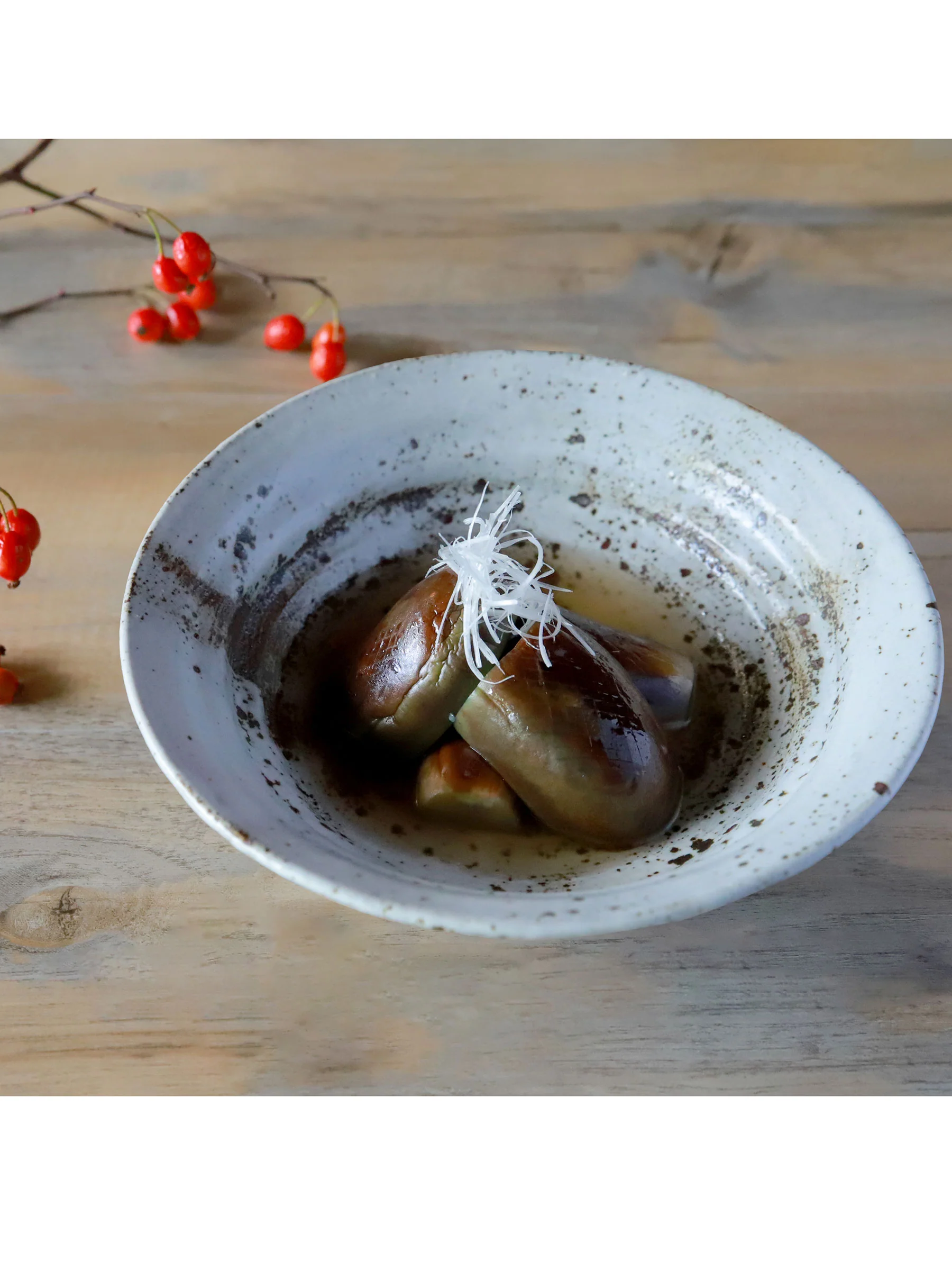
Zui White Kyoto Ware Serving Bowl by Ninshu (8"/21cm)
Why We Love It
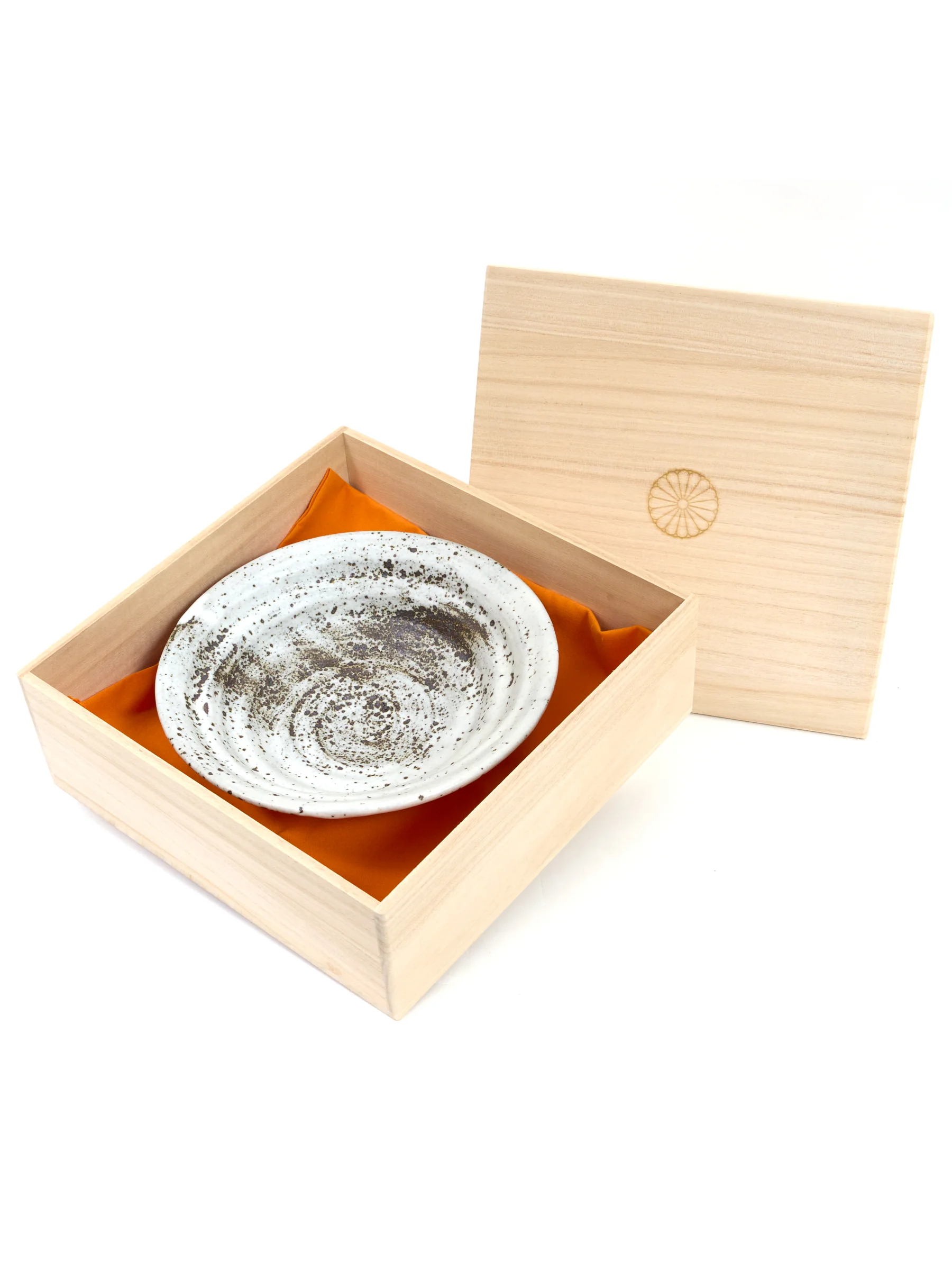
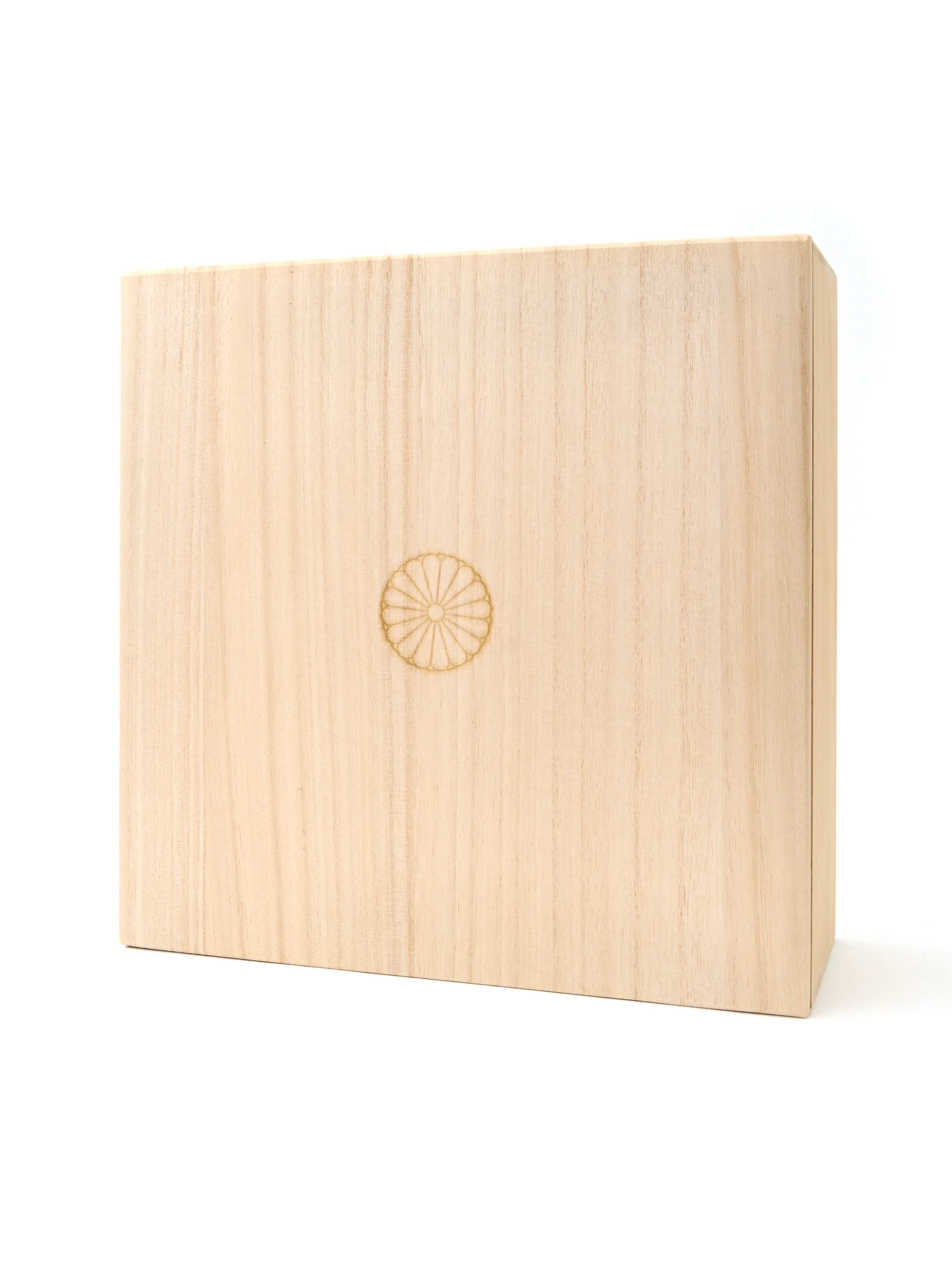
This authentic Kyoto ware serving bowl features a handcrafted earthenware bowl in a custom-made paulownia wooden box, stamped with the the Imperial Seal of Japan, making it a truly unique gift.
Ninshu is one of the most esteemed kilns in Kyoto. Established in 1646 at the imperial Ninna-ji temple, Ninshu was granted the usage of the Japanese Emperor’s mark, the chrysanthemum crest.
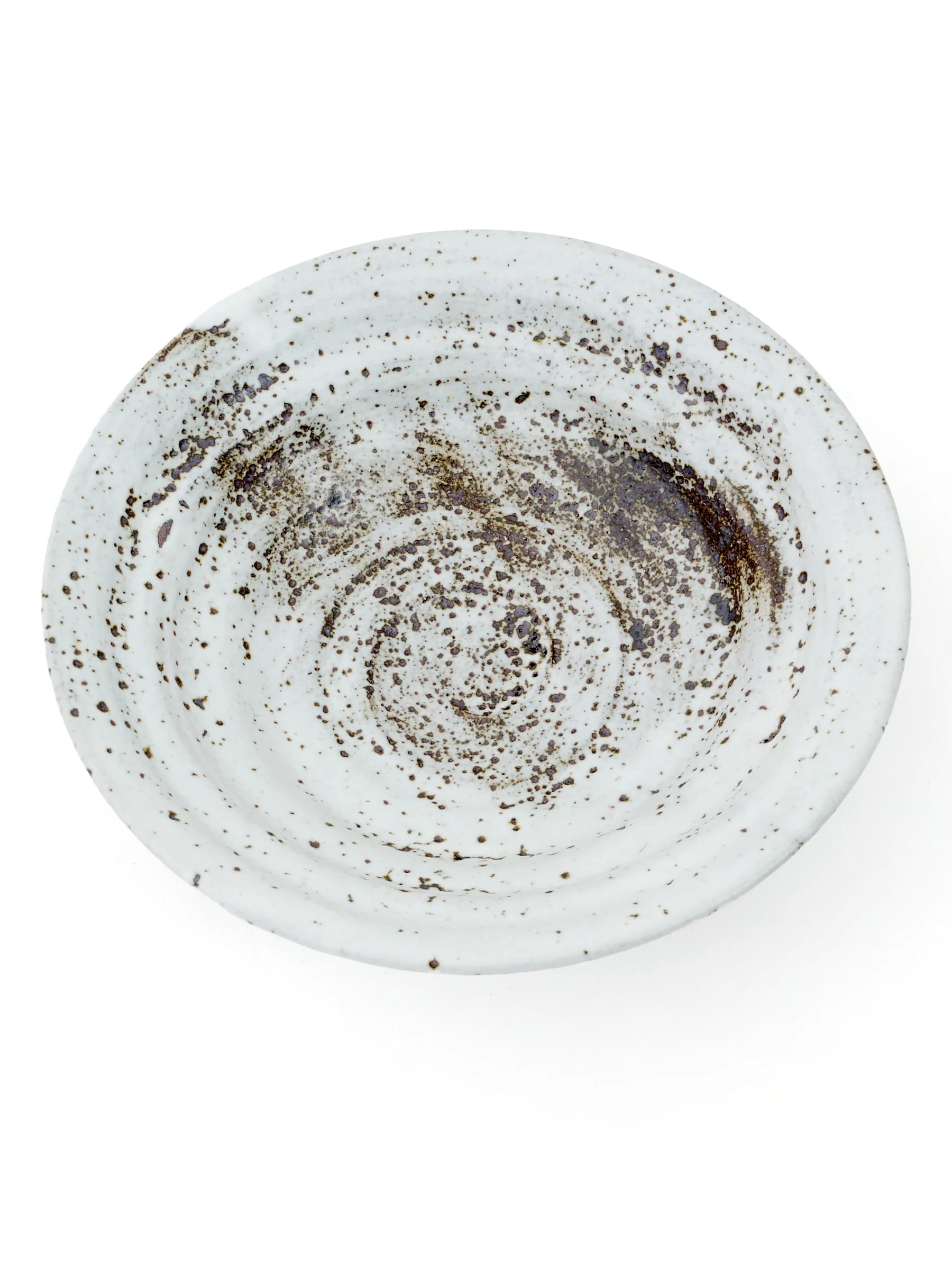
The kiln’s master artisans produce one-of-a-kind artistic vessels, one by one, on a potter's wheel. The beauty of Ninshu pottery lies in the precise modeling, in its bold lines, and in the richly colored glaze.
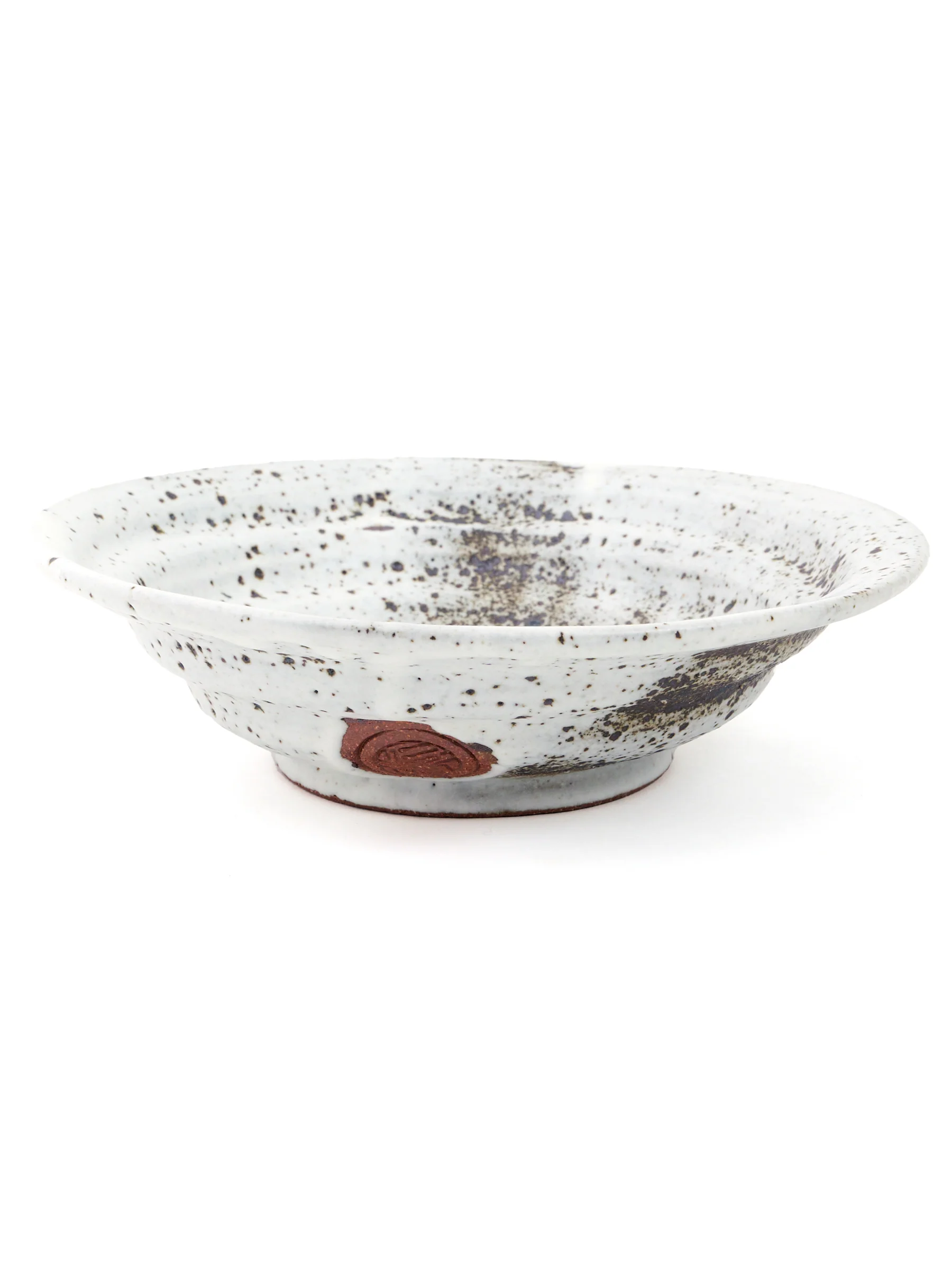
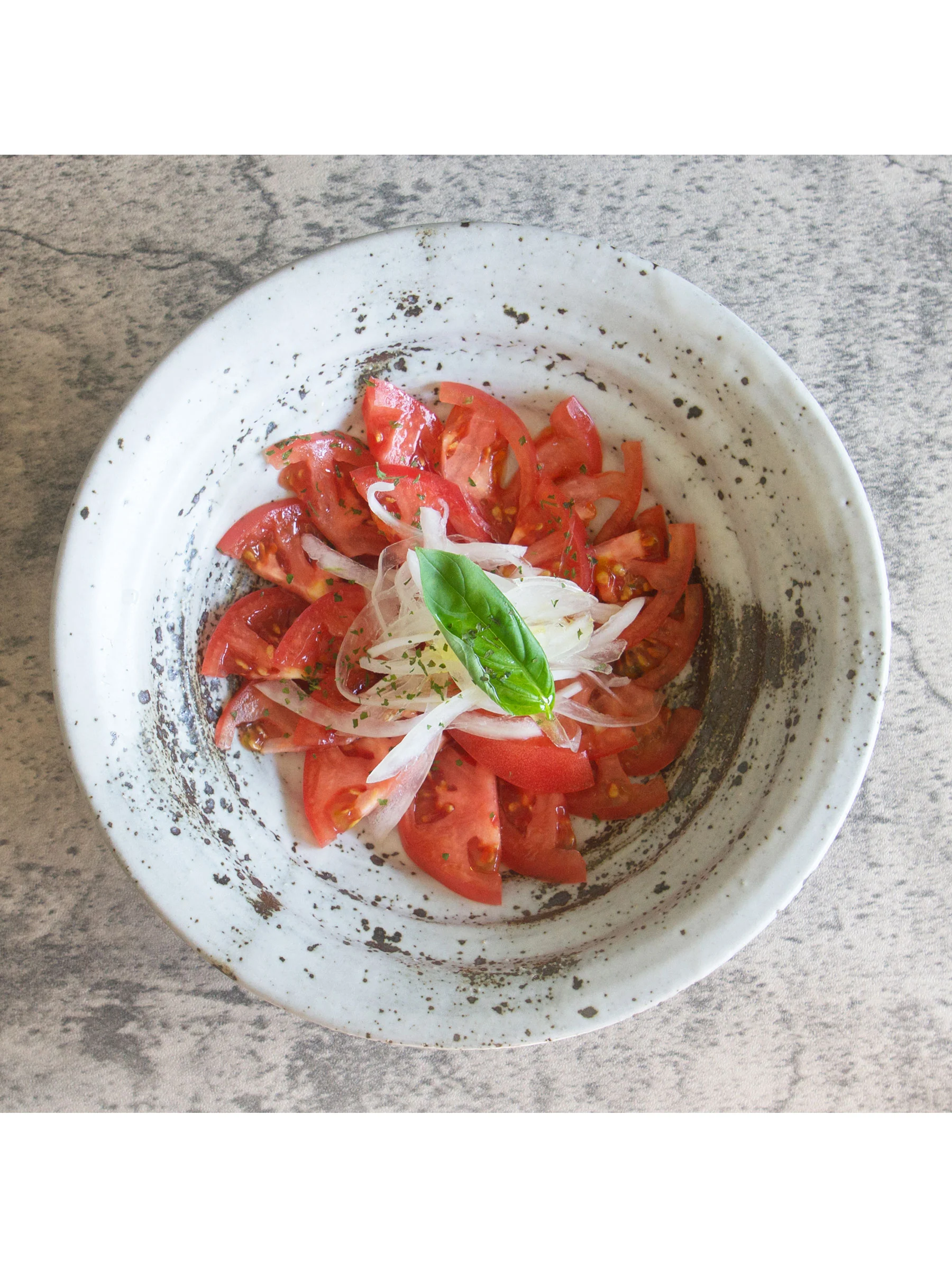
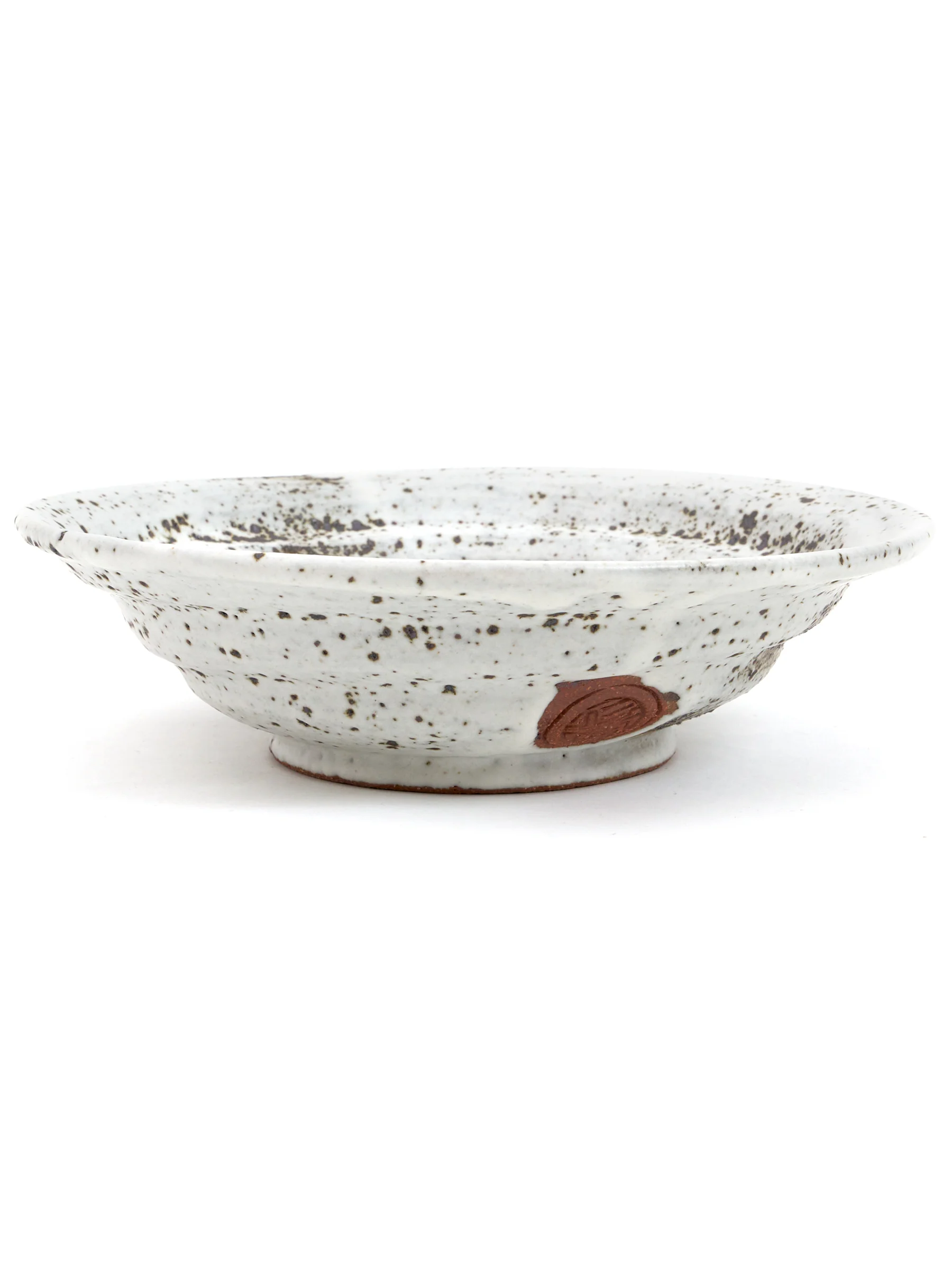
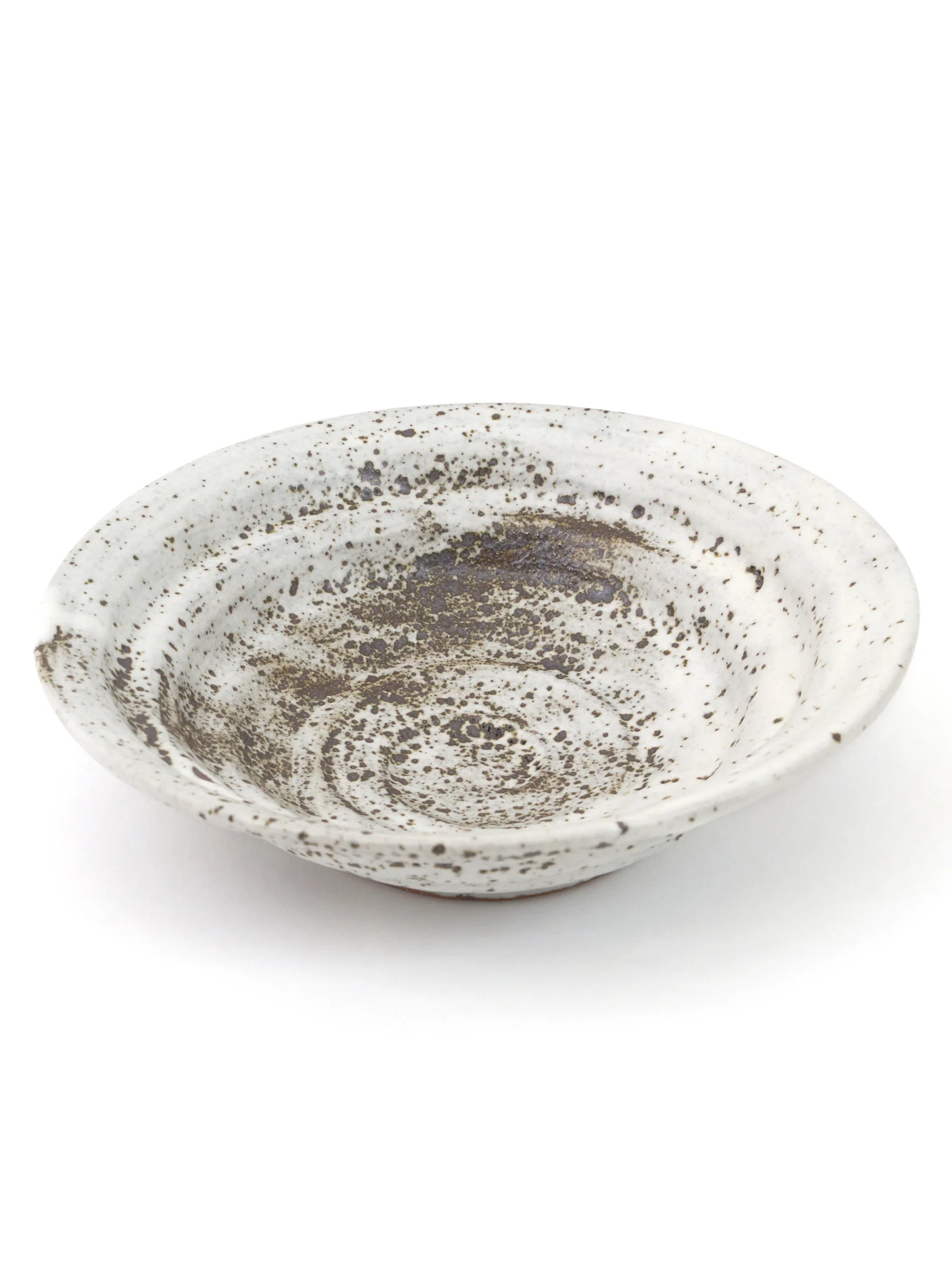
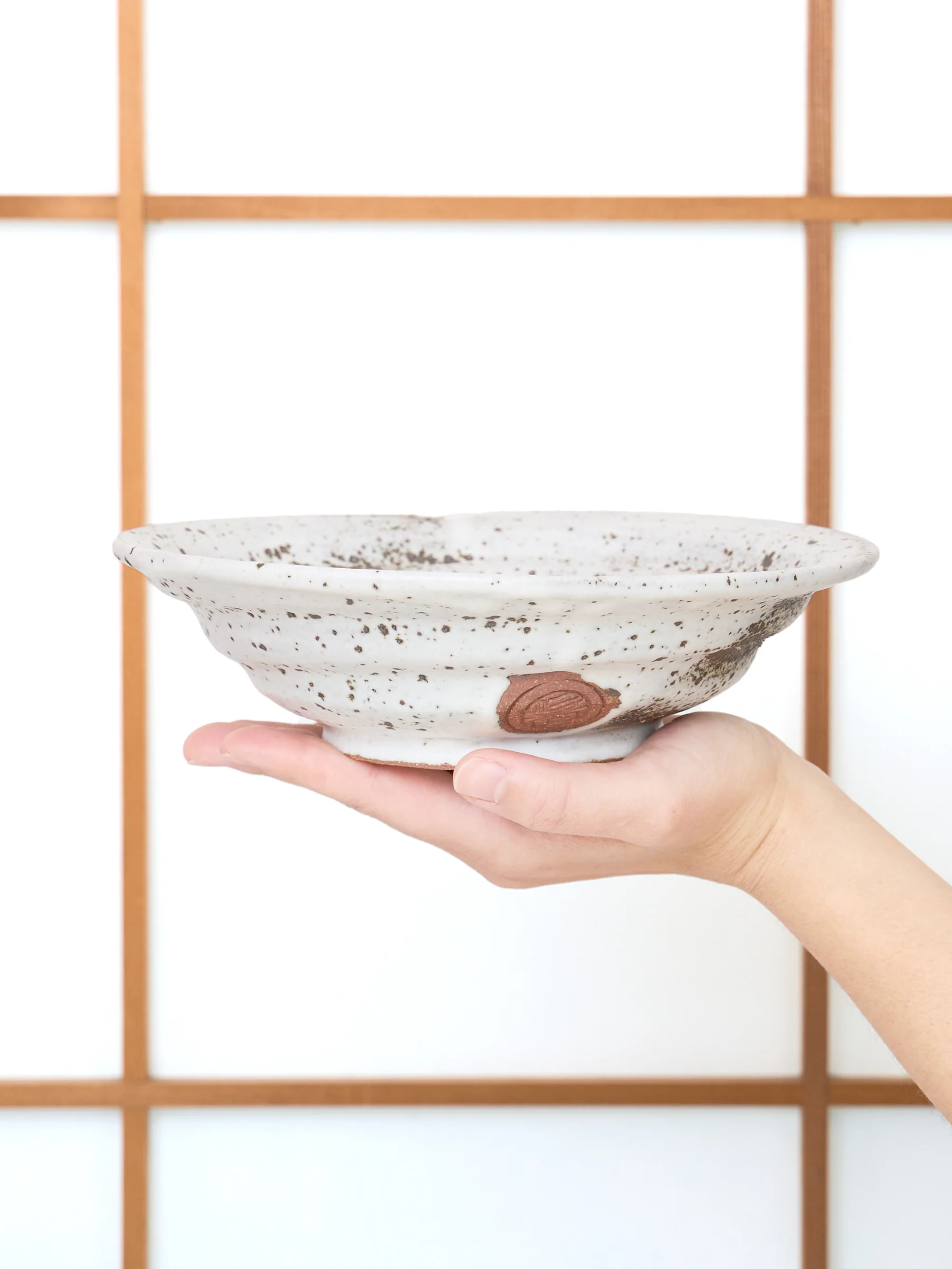
Molded with Ninshu’s unique signature style, this versatile bowl, evoking the otherworldly beauty of a celestial moonscape, can be enjoyed as a pasta, soup, cereal, or salad bowl.
Why Choose a Serving Bowl from Kyoto
Kiyomizu-yaki (清水焼) and Kyo-yaki (京焼) ceramics have enjoyed over four centuries of history. The names refer to pottery produced around Higashiyama in Kyoto, or within the wider city area. Kyoto ware is today a highly valued and government-designated traditional Japanese craft. Since Kyoto was long the seat of Japan’s Imperial Court, Kyoto ware is renowned for its stately elegance and ornate decoration.
Kyoto ware is nearly all handmade in small quantities. Ceramic pigments in the Kyoto region often contain large amounts of glass, which allows the artists to create wares that are extremely fine and delicate. These are highly decorative works of art that showcase classic luxury rarely found anywhere else in Japan.
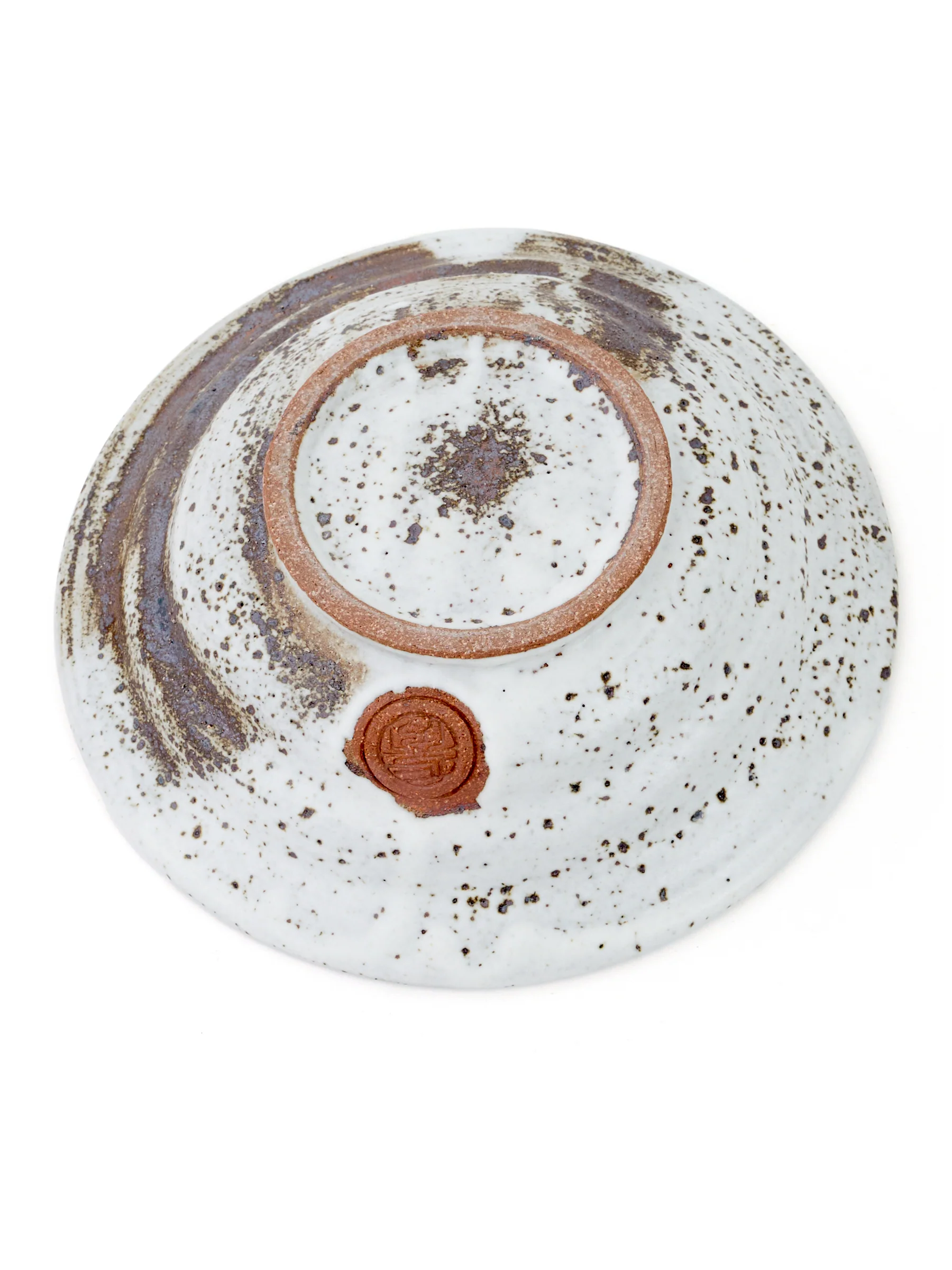
The origins of the Ninshu kiln can be traced back to Ninna-ji temple, established in 888 as the residence of Emperor Uda. The Omuro (literally, the “Emperor’s living room”) kiln was founded in 1646. Due to the temple's history as a purveyor to the Emperor, Ninsei, the kiln’s founder, was granted the use of the imperial family's chrysanthemum crest. He also added his own signature to the pottery items. Authentic Ninshu ceramics are stamped with Ninshu’s signature, as a testimonial to the history of the Omuro kiln.
Caring For Your Kyoto Ware Bowl
This bowl can be washed in the dishwasher, and used in a microwave (although not a traditional oven).
Details
- Ceramic serving bowl
- Handmade in Japan
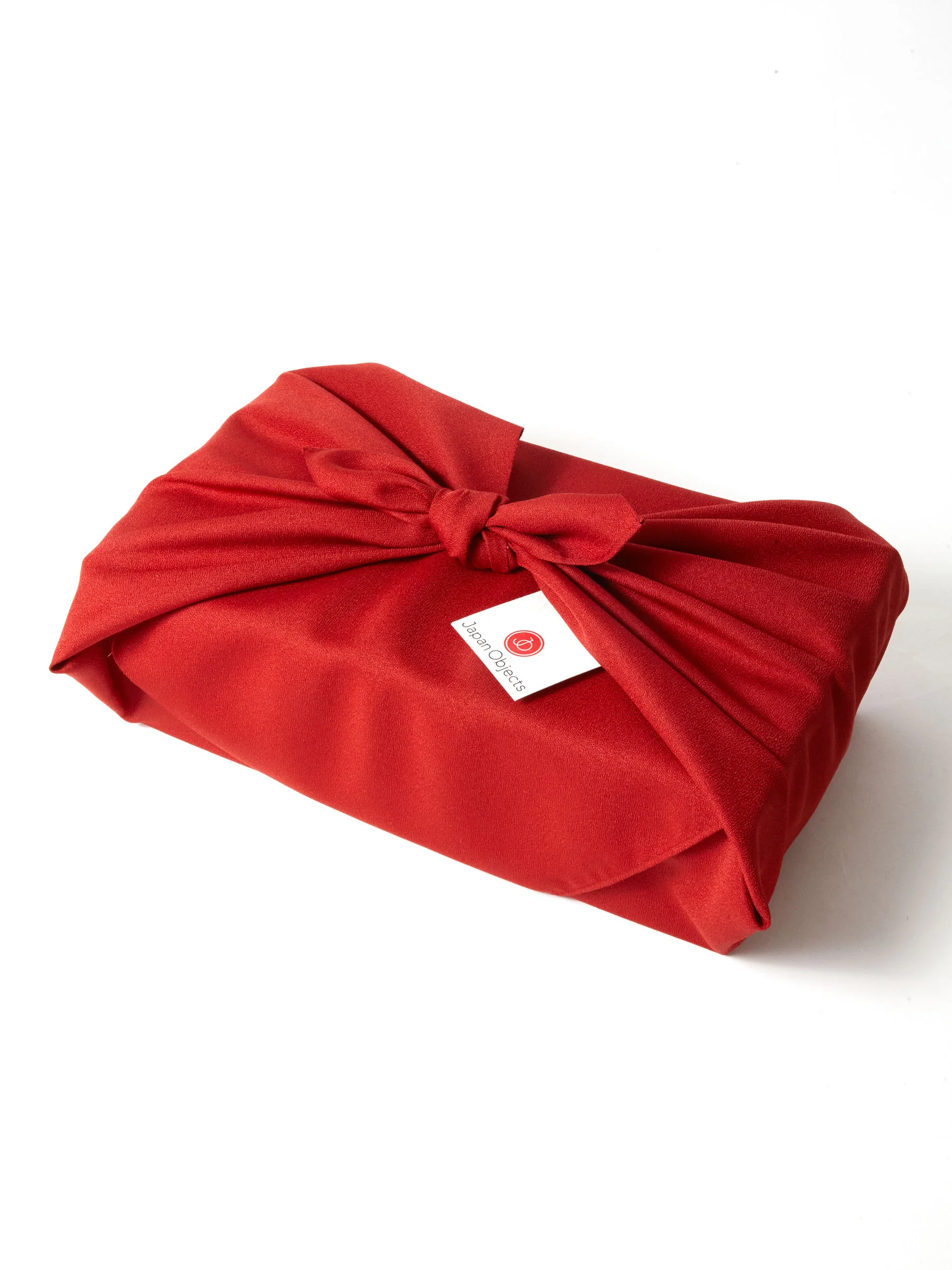
- Free gift-wrapping in Japanese furoshiki cloth
- Includes custom-made wooden box, signed by the artist
- Kyo-ware/Kiyomizu-ware
- As each handmade product is unique, there will be differences in size, color, and pattern from the photographs above.
- Size: Ø 8” (21cm), height 2½” (6cm)
- Product code: 93102WH
Original: $81,400.00
-70%$81,400.00
$24,420.00Product Information
Product Information
Shipping & Returns
Shipping & Returns
Description
Why We Love It
This authentic Kyoto ware serving bowl features a handcrafted earthenware bowl in a custom-made paulownia wooden box, stamped with the the Imperial Seal of Japan, making it a truly unique gift.
Ninshu is one of the most esteemed kilns in Kyoto. Established in 1646 at the imperial Ninna-ji temple, Ninshu was granted the usage of the Japanese Emperor’s mark, the chrysanthemum crest.
The kiln’s master artisans produce one-of-a-kind artistic vessels, one by one, on a potter's wheel. The beauty of Ninshu pottery lies in the precise modeling, in its bold lines, and in the richly colored glaze.
Molded with Ninshu’s unique signature style, this versatile bowl, evoking the otherworldly beauty of a celestial moonscape, can be enjoyed as a pasta, soup, cereal, or salad bowl.
Why Choose a Serving Bowl from Kyoto
Kiyomizu-yaki (清水焼) and Kyo-yaki (京焼) ceramics have enjoyed over four centuries of history. The names refer to pottery produced around Higashiyama in Kyoto, or within the wider city area. Kyoto ware is today a highly valued and government-designated traditional Japanese craft. Since Kyoto was long the seat of Japan’s Imperial Court, Kyoto ware is renowned for its stately elegance and ornate decoration.
Kyoto ware is nearly all handmade in small quantities. Ceramic pigments in the Kyoto region often contain large amounts of glass, which allows the artists to create wares that are extremely fine and delicate. These are highly decorative works of art that showcase classic luxury rarely found anywhere else in Japan.
The origins of the Ninshu kiln can be traced back to Ninna-ji temple, established in 888 as the residence of Emperor Uda. The Omuro (literally, the “Emperor’s living room”) kiln was founded in 1646. Due to the temple's history as a purveyor to the Emperor, Ninsei, the kiln’s founder, was granted the use of the imperial family's chrysanthemum crest. He also added his own signature to the pottery items. Authentic Ninshu ceramics are stamped with Ninshu’s signature, as a testimonial to the history of the Omuro kiln.
Caring For Your Kyoto Ware Bowl
This bowl can be washed in the dishwasher, and used in a microwave (although not a traditional oven).
Details
- Ceramic serving bowl
- Handmade in Japan
- Free gift-wrapping in Japanese furoshiki cloth
- Includes custom-made wooden box, signed by the artist
- Kyo-ware/Kiyomizu-ware
- As each handmade product is unique, there will be differences in size, color, and pattern from the photographs above.
- Size: Ø 8” (21cm), height 2½” (6cm)
- Product code: 93102WH